
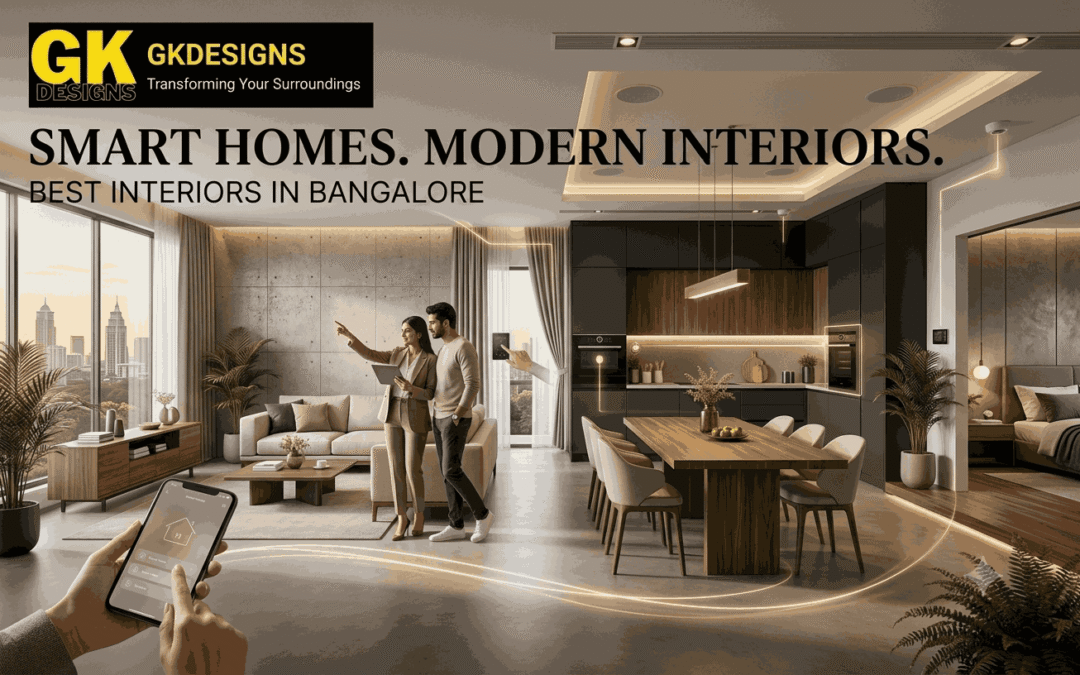
A modern home should do more than look beautiful. It should make everyday routines easier, use available space intelligently, and provide comfort that continues to feel relevant over time. As Bangalore homeowners become more interested in connected living, smart home technology is becoming an important part of interior planning.
But a smart home is not simply a home filled with automated devices. The real value comes from combining technology with thoughtful layouts, practical storage, comfortable lighting, and materials that suit the way people live.
At GK Designs, the focus is on creating interiors where modern aesthetics and smart functionality work together. From automated lighting and concealed wiring to flexible furniture arrangements and carefully planned storage, every element should contribute to a home that feels organised, comfortable, and personal.
For homeowners exploring Best Interiors in Bangalore, the right design partner should understand both the visual and practical sides of modern living.
Why Smart Home Technology Is Becoming Part of Modern Interiors
Smart home technology is changing the way homeowners think about comfort, convenience, and everyday routines. Features such as automated lighting, connected entertainment systems, and smart security can make a home easier to manage.
However, technology should not be treated as a separate layer added after the interior is complete. When planned early, it can become part of the overall design.
For example, lighting controls can be positioned conveniently, electrical points can be coordinated with furniture, and entertainment systems can be integrated without creating unnecessary visual clutter.
A well-planned smart home should feel natural to use. The technology should support the homeowner's lifestyle rather than dominate the appearance of the space.
What Makes a Smart Interior Different From a Regular Modern Home?
A smart interior combines technology with the basic principles of good design.
| Modern Interior Element | How Smart Planning Improves It |
|---|---|
| Lighting | Creates different settings for work, relaxation, and entertaining |
| Furniture | Allows convenient access to controls and charging points |
| Storage | Keeps devices, cables, and everyday items organised |
| Electrical Planning | Reduces visible wiring and inconvenient connections |
| Comfort | Supports easier control of lighting, curtains, and other features |
| Flexibility | Allows the home to adapt to changing lifestyle requirements |
The result is not necessarily a more complicated home. It is a home where technology is integrated into the design in a way that feels useful and comfortable.
How GK Designs Brings Smart Technology Into Interior Planning
At GK Designs, smart home interiors begin with understanding how the homeowner wants to use the space. The design process considers daily routines, room requirements, personal preferences, and the technology that would genuinely improve the experience.
Instead of selecting devices first and trying to fit them into the design, the approach is to plan the interior and technology together.
This helps create a more cohesive result, where lighting, furniture, storage, and electrical requirements support one another.
The Main Stages of Smart Home Interior Planning
- Understanding the lifestyle: Identifying how each room is used and what the homeowner needs.
- Planning the layout: Creating comfortable movement and practical furniture arrangements.
- Selecting useful technology: Choosing smart features based on actual requirements.
- Coordinating electrical planning: Positioning points, switches, and controls appropriately.
- Integrating materials and finishes: Ensuring technology works with the overall design.
- Reviewing the complete interior: Checking comfort, functionality, and long-term suitability.
This approach helps avoid the common problem of adding technology that looks impressive but does not make everyday living easier.
Smart Lighting Can Make Modern Homes More Comfortable
Lighting is one of the most effective ways to combine smart technology with interior design. The right lighting can change the atmosphere of a room while improving its functionality.
A living room may need bright lighting during the day, softer lighting in the evening, and focused illumination when reading or working. Smart lighting systems can support these different requirements.
However, the design should begin with the room's purpose rather than the technology itself.
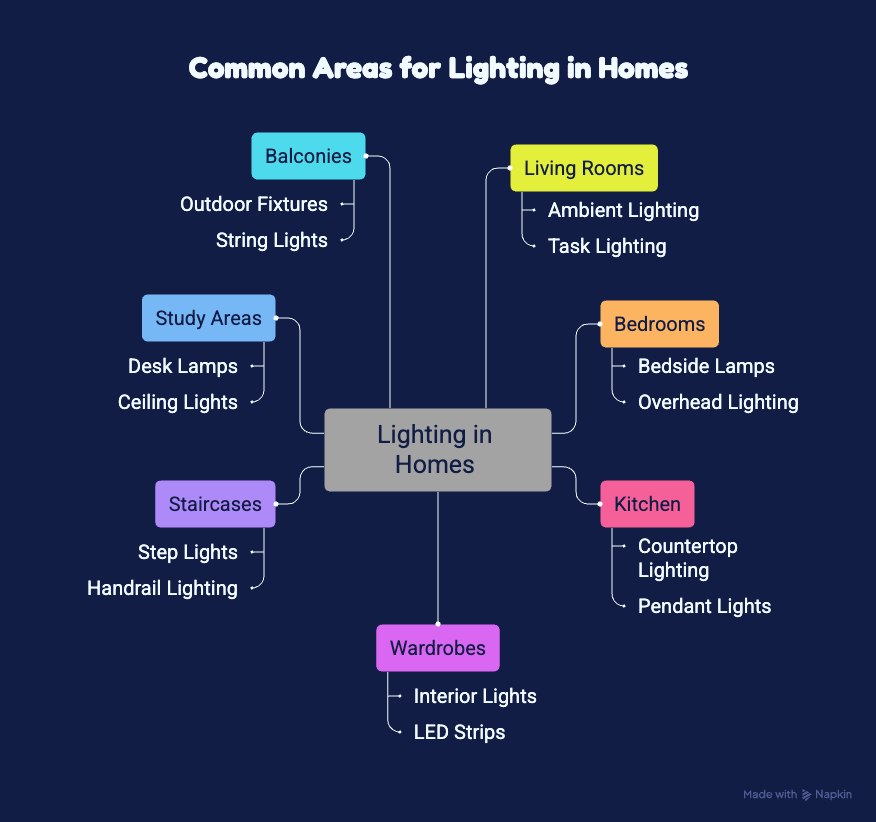
Where Smart Lighting Can Be Used Effectively
- Living rooms and entertainment areas
- Bedrooms and bedside spaces
- Kitchen work surfaces
- Wardrobe interiors
- Staircases and passageways
- Study areas and home offices
- Balconies and outdoor spaces
The most effective lighting plans combine natural light, ambient lighting, task lighting, and accent lighting. Smart controls can then make these layers easier to adjust.
For homeowners comparing Interior design firms in bangalore, it is worth asking whether lighting is planned as part of the complete interior or treated as a separate electrical requirement.
Modern Kitchens Need Technology That Supports Everyday Work
The kitchen is one of the busiest areas in a home, so smart planning can improve both convenience and efficiency. Features such as sensor lighting, integrated appliances, and organised storage can make daily tasks easier.
But technology should never replace practical kitchen design. A kitchen still needs sufficient counter space, comfortable movement, easy maintenance, and appropriate ventilation.
Important Considerations for Smart Kitchen Interiors
- Position electrical points according to appliance requirements.
- Use task lighting where food preparation takes place.
- Plan storage around frequently used items.
- Keep appliances accessible without disturbing the work triangle.
- Consider concealed wiring where appropriate.
- Choose finishes that are easy to maintain.
- Allow flexibility for future appliances and technology.
A well-designed kitchen should feel efficient without becoming overly technical. The technology should support cooking, cleaning, and storage rather than create additional complexity.
Bedrooms Should Combine Smart Features With Comfort
Bedrooms are personal spaces where comfort and relaxation matter most. Smart technology can improve convenience, but it should be integrated subtly.
For example, automated lighting can help create a softer evening atmosphere, while conveniently positioned charging points can reduce unnecessary movement. Smart curtains or blinds may also help manage natural light.
However, the overall design should remain calm and uncluttered.
Smart Features That Can Improve Bedroom Functionality
- Adjustable bedside lighting
- Convenient charging points
- Automated curtains or blinds
- Integrated entertainment systems
- Concealed wiring
- Practical wardrobe lighting
- Comfortable reading and relaxation zones
The best bedroom interiors do not make technology the centre of attention. Instead, they use it to support a more comfortable daily routine.
Living Rooms Need Flexible Interiors for Changing Lifestyles
The living room is often used for several purposes. It may serve as a space for entertaining guests, watching television, relaxing with family, or working from home.
This makes flexibility an important part of modern interior planning.
Furniture should be arranged to support different activities without making the room feel crowded. Smart features can then be integrated around the layout.
How Smart Technology Can Support Living Room Design
- Automated lighting for different activities
- Integrated entertainment systems
- Concealed charging points
- Smart curtains or blinds
- Flexible furniture arrangements
- Organised storage for devices
- Convenient control systems
The design should also consider how televisions, speakers, routers, and other devices are stored or displayed. A clean interior is easier to maintain when technology has a planned place.
For homeowners searching for Home interior designers in Bangalore, the ability to balance technology with furniture planning is an important consideration.
Smart Storage Helps Keep Modern Homes Organised
A smart home can still feel cluttered if storage is poorly planned. Technology may improve convenience, but it cannot replace the need for practical storage solutions.
Modern interiors benefit from storage that is designed around the homeowner's actual requirements.
Storage Areas That Deserve Careful Planning
- Built-in wardrobes
- Kitchen cabinets and drawers
- Utility storage
- Home office equipment
- Children's belongings
- Cleaning supplies
- Entertainment devices
- Seasonal items
Storage should also be easy to access. Frequently used items should be placed where they are convenient, while less-used belongings can be stored in less accessible areas.
This helps the home remain organised even as the household's needs change.
Choosing Materials That Complement Smart Home Interiors
Materials influence the appearance, durability, maintenance, and overall feel of a modern interior. The right combination can make a home feel warm, refined, and comfortable.
Natural wood finishes, stone textures, glass, metal accents, and carefully selected laminates can all contribute to a contemporary design.
However, materials should be selected according to the room's purpose and the homeowner's maintenance preferences.
What Should Be Considered When Selecting Materials?
- Durability: Can the material handle everyday use?
- Maintenance: Is it easy to clean and maintain?
- Appearance: Does it suit the overall design?
- Lighting: Does it work well with the planned lighting?
- Comfort: Does it create the right atmosphere?
- Long-term suitability: Will it remain practical over time?
At GK Designs, the aim is to create interiors where materials, furniture, lighting, and technology feel connected rather than separately added.
How Smart Homes Can Improve Everyday Convenience
The main benefit of smart home technology is convenience. When planned properly, it can reduce small daily frustrations and make routines easier.
For example, homeowners may use smart controls to adjust lighting, manage curtains, or operate entertainment systems. Connected features can also support more efficient energy use.
However, convenience should not come at the cost of simplicity.
Practical Benefits of Smart Home Integration
- Easier control of lighting and other features
- Improved comfort during daily routines
- Reduced visible wiring
- Better organisation of connected devices
- More flexible room usage
- Convenient access to frequently used controls
- Potentially improved energy management
The best smart homes are those where technology works quietly in the background and does not make the home feel complicated.
Why Project Coordination Matters in Smart Home Interiors
Smart home interiors often involve several different elements, including furniture, electrical work, lighting, automation, and finishing.
If these elements are not coordinated properly, the final result may have visible wiring, inconvenient controls, or design changes that affect the budget.
A well-managed project brings these decisions together early. This helps ensure that the interior design and technical requirements support each other.
Areas That Need Coordination During Execution
| Project Area | Why Coordination Matters |
|---|---|
| Lighting | Ensures fixtures and controls work with the ceiling design |
| Electrical Points | Prevents inconvenient connections and visible wiring |
| Furniture | Allows devices and controls to be positioned practically |
| Automation | Helps ensure smart features work as intended |
| Materials | Supports a cohesive appearance |
| Storage | Provides suitable space for devices and equipment |
This level of coordination can make the difference between a home that looks good in photographs and one that works well every day.
The Future of Smart Homes Is More Personalised Interior Design
Smart home technology will continue to evolve, but the most important part of an interior will remain the people who use it.
Future homes may include more connected devices, energy-efficient systems, and personalised automation. Yet these features will only be valuable when they support the homeowner's actual needs.
Modern interior design is therefore moving towards a more integrated approach. Technology, materials, furniture, lighting, and architecture are increasingly considered together.
At GK Designs, this way of thinking can help create homes that are not only visually refined but also practical and adaptable.
Frequently Asked Questions About Smart Home Interior Design
⬇
1. What makes smart home interiors different from regular modern interiors?
Smart home interiors combine modern design with technology that improves convenience, comfort, and everyday functionality.
2. Should smart home features be planned before interior design begins?
Yes. Planning them early helps coordinate electrical points, lighting, furniture, and automation without disrupting the final design.
3. Are smart home interiors suitable for smaller Bangalore apartments?
Yes. Smart features can be useful in smaller homes when they are selected carefully and integrated with efficient space planning.
4. What should I look for when choosing an interior design company?
Look for a firm that understands your lifestyle, explains its design process, coordinates technical requirements, and provides clear project communication.
5. Can smart technology be added to an existing home?
Yes. Some smart features can be added during renovation, although the possibilities depend on the existing electrical system and interior layout.
6. How can GK Designs help with smart home interiors?
GK Designs can help homeowners plan modern interiors by combining space planning, materials, lighting, and smart home requirements into a cohesive design approach.
Final Thoughts on Smart Homes and Modern Interiors
The combination of smart technology and modern interior design offers homeowners an opportunity to create spaces that are both beautiful and functional.
From lighting and storage to furniture planning and electrical coordination, every decision contributes to the overall experience of the home.
The Best Interiors in Bangalore should not be defined only by luxury finishes or advanced devices. They should be defined by how well the home supports everyday life.
For homeowners planning a new interior or renovating an existing space, the right approach is to begin with lifestyle, understand the possibilities of technology, and work with a design partner who can bring the complete vision together.
At GK Designs, the focus is on creating interiors where modern aesthetics and practical living work in harmony.